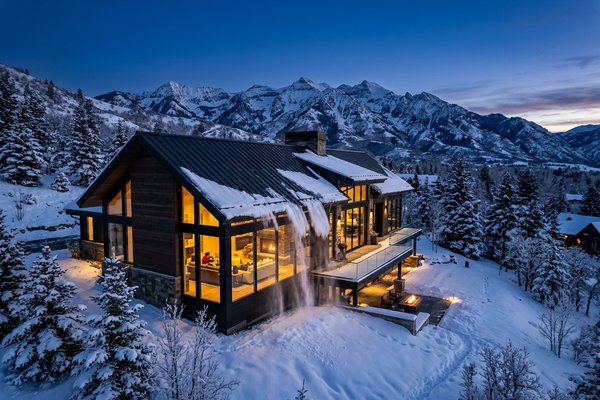
Standing-Seam Metal Roofing with Heat Tape in Park City Utah: The Permanent Snow-Shedding Solution
Standing-Seam Metal Roofing with Heat Tape in Park City Utah: The Permanent Snow-Shedding Solution
For Park City homeowners who want to solve the ice dam problem permanently — and simultaneously upgrade their home’s durability, energy efficiency, and long-term resale value — standing-seam metal roofing combined with an integrated heat tape system is the definitive solution.
Heat Tape Roofing™ specialises in combined metal roofing and heat tape projects for Park City, Deer Valley, Promontory, and the broader Wasatch Back. Managing the full system from design through installation, we deliver a single coordinated project with a combined labour discount of 15–25% when roofing and heat tape work are scheduled together.
Why Standing-Seam Metal Is the Ideal Roof for Park City’s Climate
Natural Snow Shedding
The smooth, low-friction surface of standing-seam metal panels encourages snow to slide off naturally before it accumulates to the depths that create heavy ice dam risk. This directly reduces the workload of your heat tape system — meaning less cable runtime, lower electricity consumption, and extended cable lifespan compared to the same system on an asphalt shingle roof.
Extreme Durability at Mountain Elevation
Metal roofing carries a rated lifespan of 40–70 years under standard conditions. At Park City’s demanding elevation — intense UV exposure above 7,000 feet, severe thermal cycling between summer highs and winter lows, heavy snow loads, and frequent freeze-thaw events — metal dramatically outperforms the 15–25 year lifespan of even premium asphalt shingles.
Wind and Structural Integrity
Standing-seam panels interlock mechanically at every seam, with no exposed fasteners on the weather surface. Wind uplift resistance exceeds 110 mph for most systems — critical for the ridge-and-valley wind patterns common across the Wasatch Mountains during winter storm events.
Energy Performance
Reflective metal roofing reduces summer cooling loads significantly. Combined with a properly upgraded attic insulation assembly, a metal roof system can reduce annual HVAC costs by 15–25% — a meaningful saving on the utility bills typical for large Park City and Deer Valley properties.
Insurance Premium Benefits
Many Utah homeowner’s insurance carriers offer premium discounts for Class 4 impact-resistant metal roofing. Confirm the applicable credit with your insurance agent before your next policy renewal — the savings frequently offset a meaningful portion of the annual maintenance cost.
How Heat Tape Integrates With Standing-Seam Metal Roofs
Standard heat tape installation on metal roofs uses non-penetrating seam-mount aluminium clips that attach directly to the standing seam ribs without any drilling, cutting, or fastener penetration through the roof surface. This approach:
- Preserves the full watertight integrity of the standing-seam system
- Maintains the manufacturer’s warranty on both the roofing panels and the heat cable
- Allows cable to be repositioned or replaced without any modification to the roof itself
- Routes cable cleanly along the seam lines for a tidy, low-profile appearance
The Integrated Installation Advantage
When metal roofing and heat tape are installed as a single project, the cable layout is designed during the roofing phase — before the panels are placed. This allows cable to be pre-positioned, connections pre-wired into the fascia assembly, and the complete system tested as part of the roofing project’s final sign-off inspection. The result is a cleaner, more efficient installation than retrofitting cable onto an existing metal roof at a later date, and the combined project labour discount of 15–25% applies to the entire scope of work.
What Is Included in a Combined Metal Roofing and Heat Tape Project
| Component | Specification |
|---|---|
| Standing-seam panels | 24-gauge Galvalume or Kynar 500-coated steel; 40-year finish warranty |
| Underlayment | Self-adhering ice-and-water shield at eaves; synthetic over field |
| Ridge and hip caps | Vented or solid depending on attic ventilation design |
| Non-penetrating cable clips | Seam-mount aluminium clips at 18–24 inch intervals |
| Self-regulating heat cable | Commercial-grade eave, valley, gutter, and downspout cable |
| GFCI electrical connection | Dedicated circuit with weatherproof housing at cable terminus |
| System testing and documentation | Full load test, cable layout diagram, warranty registration package |
Cost and ROI: Metal Roof Plus Heat Tape vs. Asphalt Over 40 Years
| Item | Cost Range |
|---|---|
| Standing-seam metal roofing (2,500–4,000 sq ft) | $18,000–$40,000 |
| Integrated heat tape system | $2,500–$8,500 |
| Combined project with 15–25% labour discount | Effective saving of $3,000–$8,000 vs. sequential scheduling |
| Standard asphalt shingle replacement (for comparison) | $12,000–$22,000 |
| Expected metal roof lifespan | 40–70 years |
| Expected asphalt shingle lifespan | 15–25 years |
| Asphalt re-roofings required in 40 years | 2–3 replacements |
| Total asphalt cost over 40 years (3 re-roofings) | $36,000–$66,000 |
Over a 40-year ownership horizon, a combined standing-seam metal roof and heat tape system is typically less expensive than cycling through two or three asphalt re-roofings — while permanently eliminating the ice dam problem and the annual $800–$2,000 snow-raking expense.
Frequently Asked Questions
Q: Will a standing-seam metal roof make my Park City home noisier during rain and hail?
A: Modern standing-seam installations over a solid roof deck and quality synthetic underlayment perform acoustically comparably to shingle roofs. The solid deck and underlayment assembly absorbs impact sound effectively. The days of the loud “tin roof” are specific to open-frame agricultural buildings — not to properly installed residential metal roofing.
Q: How does standing-seam perform under Park City’s exceptional snow loads?
A: Standing-seam metal is engineered and tested to handle snow loads far exceeding Park City’s structural design requirements. The seam system provides exceptional structural rigidity, and the slick surface sheds snow before it accumulates to the weights that stress standard shingle roofs. Our installations are engineered to meet or exceed Utah’s structural loading codes for the Park City elevation zone.
Q: Can I add solar panels to a standing-seam metal roof with heat tape already installed?
A: Yes — and this combination is one of the most popular system configurations in Heat Tape Roofing™'s Park City portfolio. Non-penetrating solar mounting systems attach to the same seam ribs as heat tape clips. Heat tape cable routing around solar array sections is planned during the initial layout design phase. The three-system combination — standing-seam metal roof, heat tape, and solar — is the most energy-efficient and winter-resilient configuration available for a Park City mountain home.
The Last Roofing Decision You Will Ever Make for Your Park City Home
Standing-seam metal roofing with integrated heat tape is a generational investment — the most durable, most weather-resistant, and most cost-effective long-term solution available for Park City’s demanding mountain climate. Heat Tape Roofing™ manages the complete project from design through installation and final testing, with one contract, one warranty package, and the combined project labour savings built in from the start.
Request Your Metal Roofing and Heat Tape Quote at heattapeparkcity.com
Serving Park City, Deer Valley, Promontory, Canyons Village, and all Wasatch Back communities in Utah.
